
Laser Hair Removal
Smooth skin. Long-lasting results. Less maintenance.
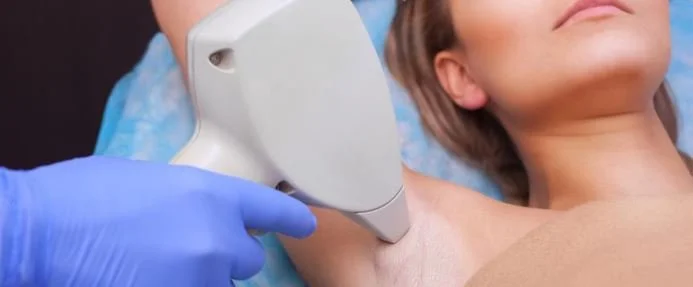
At Lips and Drips, we offer professional laser hair removal to help reduce unwanted hair and leave your skin feeling smoother and looking more refined.
Laser hair removal uses targeted light energy to heat the pigment within the hair follicle, helping to damage the follicle and reduce its ability to produce future hair growth.
Whether you are looking to treat smaller areas or achieve a more extensive hair reduction, treatments can be tailored to your individual needs and goals.
Say goodbye to the constant upkeep of shaving and enjoy the convenience of long-term hair reduction.
Laser hair removal is a non-invasive treatment
The laser energy is absorbed by the pigment in the hair and converted into heat. This heat damages the hair follicle, reducing its ability to produce new hair.
Because hair grows in different stages, multiple treatments are required to effectively target hair follicles during their active growth phase.
Laser hair removal provides long-term hair reduction, although occasional maintenance treatments may be required.
What areas can be treated?
Laser hair removal can be performed on many areas of the body and face.
Common treatment areas include:
Face and upper lip.
Chin and jawline.
Neck.
Underarms.
Arms and hands.
Chest.
Back and shoulders.
Abdomen and stomach.
Bikini line.
Brazilian.
Legs and thighs.
Feet and toes.
Treatment areas can be selected individually or combined into personalised treatment packages.
What are the benefits?
Laser hair removal offers a convenient alternative to regular shaving, waxing and other temporary hair removal methods.
Potential benefits include:
Long-term reduction in unwanted hair.
Smoother-looking skin.
Reduced need for regular shaving and waxing.
Fewer ingrown hairs.
Reduced irritation associated with frequent hair removal.
Faster and more convenient hair removal over time.
Improved confidence and skin comfort.
Results vary depending on hair colour, skin type, hormonal factors and individual response.
How does the treatment work?
During treatment, the laser delivers controlled pulses of light energy into the skin.
The pigment within the hair absorbs this energy, which is converted into heat and damages the hair follicle.
The surrounding skin is protected through appropriate treatment settings and cooling methods, where available.
Because the laser is most effective on hairs in their active growth phase, treatments are performed over a series of appointments to target different growth cycles.
How many treatments will I need?
Laser hair removal requires a course of treatments to achieve the best possible reduction.
Most clients require approximately 6–10 sessions initially, although this varies depending on the treatment area, hair type, skin type and individual response.
Some areas may require additional sessions, particularly where hormonal influences contribute to ongoing hair growth.
Maintenance treatments may also be recommended to manage future regrowth.
Your practitioner will discuss a personalised treatment plan during your consultation.
When will I see results?
You may begin noticing a reduction in hair growth after your first few treatments.
Treated hairs do not always fall out immediately. They may gradually shed over the following days to weeks.
As treatments progress, hair generally becomes finer, lighter and less dense.
Results develop gradually throughout your treatment course.
How often should I have treatments?
Treatment intervals depend on the area being treated and its natural hair growth cycle.
Appointments are commonly spaced approximately 4–8 weeks apart, with some body areas requiring longer intervals.
Your practitioner will recommend the appropriate schedule for your individual treatment areas.
Does Laser Hair Removal hurt?
Most clients describe the sensation as a quick snapping or flicking feeling against the skin, sometimes accompanied by warmth or tingling.
Discomfort varies depending on the treatment area, hair density and individual sensitivity.
Modern laser systems may incorporate cooling technology to help improve comfort during treatment.
Frequently Asked Questions
Is Laser Hair Removal permanent?
Laser hair removal provides long-term hair reduction rather than guaranteed permanent hair removal. Some hair may regrow over time, although it is often finer and lighter. Maintenance treatments may be required.
Can I shave between treatments?
Yes. Shaving is generally recommended between appointments. Avoid waxing, tweezing or threading because these methods remove the hair follicle that the laser needs to target.
Can I have Laser Hair Removal if I have fake tan?
The treatment area should be free from fake tan before treatment. Your practitioner may recommend waiting until the tan has completely faded before proceeding.
Can all hair colours be treated?
Not all hair colours respond equally. Dark hair generally responds best, while blonde, white, grey and red hair may be more difficult to treat.
Can I have Laser Hair Removal on sensitive areas?
Yes, many sensitive areas can be treated, including the bikini and Brazilian areas, provided you are suitable. Your practitioner will discuss the treatment and any specific considerations during your consultation.
How long does each appointment take?
Treatment time depends on the size of the area. Smaller areas may take only a few minutes, while larger areas such as full legs or back require longer appointments.
Can I have Laser Hair Removal during summer?
Laser hair removal can sometimes be performed during summer, but recent tanning and sun exposure increase the risk of complications. Your practitioner will assess your skin and advise whether it is safe to proceed.
Why do I need multiple treatments?
Hair grows in different stages, and laser treatment is most effective when hair is in its active growth phase. Multiple appointments are needed to target different groups of follicles throughout their growth cycles.